
Renault Captur Problems: Which Years to Avoid & Costs

Key Takeaways
| Problem | Main Symptoms | Possible Causes |
|---|---|---|
| 1.2 TCe Oil Consumption & Timing Chain | Oil level dropping fast, cold-start rattle, blue smoke | Wide piston-ring tolerances, oil-jet clogging, chain stretch |
| 1.5 dCi Diesel: DPF, Turbo & Injectors | DPF/EML warnings, limp mode, smoke, power loss | Short-trip DPF clogging, turbo wear, injector failure |
| EDC Transmission Problems | Gearbox jumping to neutral, loss of drive, dashboard warnings | EDC software glitches, clutch actuator/mechatronic failure, dual-clutch wear |
| Clutch Shudder Issues | Juddering when pulling away, clutch pedal not returning, slipping | Worn clutch disc, pressure plate problems, flywheel wear |
| Brake System Faults | ”Brake System Fault” warning, ABS lights, squeaking sounds | Worn brake pads, faulty brake sensors, low brake fluid |
| Electrical Problems | Battery charging faults, dashboard flickering, starting issues | Faulty alternator, battery deterioration, wiring harness issues |
| Engine Coolant Problems | Coolant loss, overheating, coolant warning lights | Water pump failure, thermostat issues, radiator problems |
| Dashboard LCD Issues | Pixelated odometer display, blank instrument cluster sections | LCD panel deterioration, temperature extremes, electrical faults |
| Air Conditioning Problems | Poor cooling performance, AC compressor noise, electrical faults | Compressor failure, refrigerant leaks, control module issues |
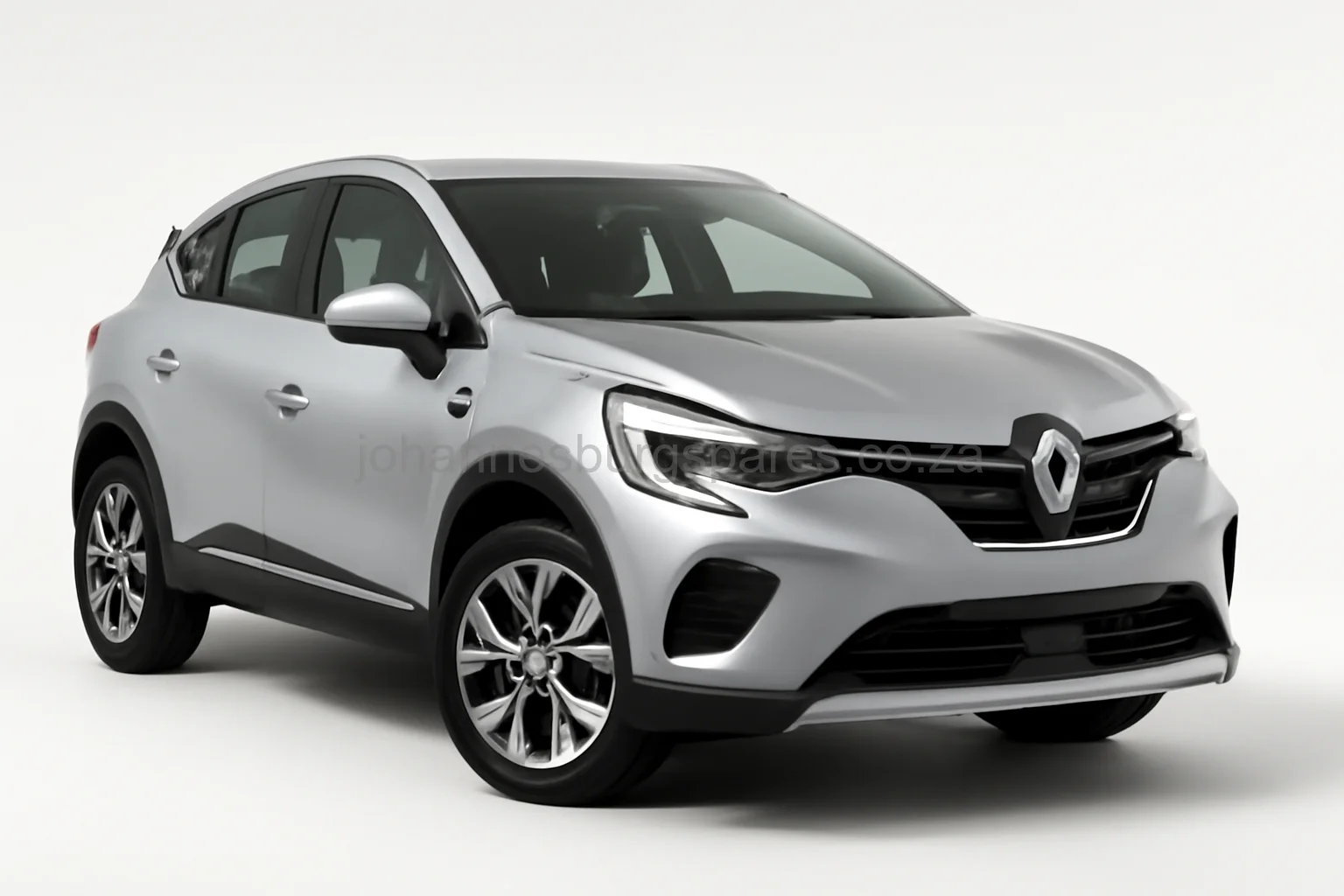
The Renault Captur has established itself as a popular choice in South Africa’s competitive compact crossover segment, offering French flair and practical urban mobility. Since its local introduction, this stylish SUV has attracted buyers seeking an alternative to the typical German and Japanese offerings. However, like many modern vehicles with advanced technology, the Captur comes with its share of well-documented problems that South African owners should understand before purchasing or when maintaining their vehicle.
This guide examines the most common Renault Captur problems reported by owners on technical forums, automotive communities, and repair specialists. We’ll cover everything from the troublesome EDC dual-clutch transmission and the well-documented 1.2 TCe oil-consumption defect to 1.5 dCi diesel DPF issues and electrical gremlins that can leave you stranded — plus a year-by-year breakdown of which Capturs to buy and which to avoid. The aim is to give you the knowledge needed to identify, address, and prevent these issues in South African driving conditions.
1. EDC Transmission Problems
The Efficient Dual Clutch (EDC) automatic transmission represents one of the most significant and costly problems affecting Renault Captur owners worldwide, with South African forum discussions frequently highlighting transmission-related failures and expensive repair bills.
Symptoms
- Gearbox suddenly jumping into neutral while driving, causing complete loss of drive
- Dashboard warning messages displaying “Check Auto Gearbox” or similar transmission faults
- Transmission refusing to engage Drive or Reverse after brief stops (10-15 minutes)
- Jerky or delayed gear changes, particularly during low-speed maneuvers
- Shuddering or vibration when accelerating from standstill
- Grinding or whining noises from the transmission during gear changes
Causes
The Captur EDC is the Getrag/Continental 6DCT250 (Renault DC4) dry dual-clutch gearbox — the same hardware family as Ford’s PowerShift. Its failures stem from a few interconnected weak points. The dual-clutch design relies heavily on electronic control systems (the mechatronic / TCU unit) that can develop software glitches and thermal faults, particularly in early production models from 2013-2016. The electric clutch actuators and fork, responsible for engaging and disengaging the dual clutches, are prone to premature wear — especially under South African stop-start traffic and high ambient temperatures. The dry clutch plates also wear faster than a traditional torque-converter automatic, leading to slipping and eventual failure. Common fault codes include P1743 / P1744 (clutch-actuator motor/position) and DF490 (clutch-2 motor circuit); a tell-tale sign is the box dropping into limp mode on only odd or even gears, since it runs two separate shafts (1/3/5 + R/2/4/6).
Solution
The good news: an EDC fault is often repairable without a whole new gearbox, so get a specialist diagnosis before accepting a full-replacement quote.
- Software recalibration / adaptation reset resolves some early-model EDC glitches (cheapest first step)
- Clutch actuator / fork replacement fixes most persistent engagement issues — far cheaper than a new box
- The mechatronic (DC4 TCU) can be remanufactured by gearbox specialists and refitted; a new TCU is VIN-coded and must be married by Renault, so reman of your original avoids dealer coding headaches
- Complete dual-clutch or full gearbox replacement only as a last resort for seized/internally damaged units
- Regular transmission service intervals (every 60,000km) can prevent some problems
- Browse our Renault transmission parts for clutch actuators, mechatronic units and complete EDC gearboxes
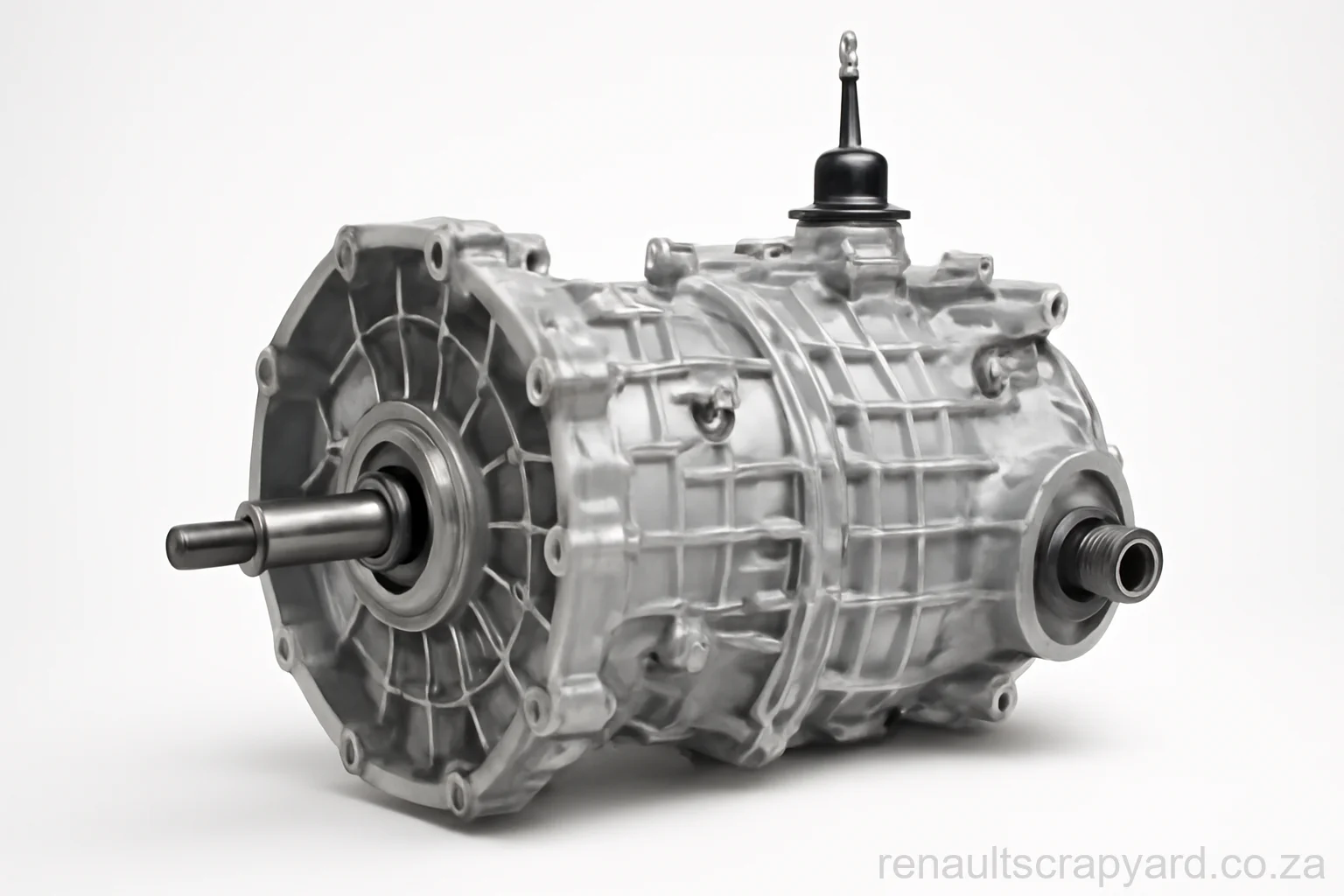
Transmission Parts Available
Complete EDC gearbox assemblies, clutch actuators, and transmission control modules for Renault Captur EDC transmission repairs.
DIY Difficulty / Hours
- Software Update: Dealer Only / 1-2 hours
- Clutch Actuator Replacement: Professional / 4-6 hours
- Complete Transmission Replacement: Professional / 8-12 hours
Cost (cheapest to worst case): R800-R2,500 software recalibration · R6,000-R15,000 clutch actuator/fork · R15,000-R30,000 mechatronic (DC4 TCU) reman + refit · R18,000-R35,000 twin-clutch pack · R45,000-R85,000 full gearbox replacement
Sources & User Reports
- Renault Captur Forums - EDC Discussion: Comprehensive technical discussion about EDC operation and common failure modes with detailed user experiences
- ASR Gearbox Repairs - Renault Captur Gearbox Problems: Professional repair service documentation of typical EDC failure patterns and repair costs
- CarsGuide Australia - Transmission Failure Query: Real owner case study of 2015 Captur EDC failure at 135,000km with consumer guarantee implications
2. Clutch Shudder Issues
Manual transmission Renault Capturs, particularly the 1.5 dCi diesel models, suffer from persistent clutch-related problems that manifest as severe juddering during engagement and premature clutch component failure.
Symptoms
- Severe juddering or vibration when pulling away from standstill
- Clutch pedal not fully returning to the top position in traffic
- Need to physically lift clutch pedal with foot to complete return travel
- Slipping sensation during acceleration under load
- Burning smell during heavy traffic or hill starts
- Difficulty finding biting point, particularly when engine is cold
Causes
The clutch problems in manual Capturs result from several design and quality issues. The clutch disc material appears to be particularly susceptible to glazing under South African driving conditions, where extended periods in traffic cause excessive heat buildup. The pressure plate assembly shows premature spring fatigue, leading to inconsistent clamping force. Additionally, the clutch hydraulic system, including the master and slave cylinders, develops internal leaks that affect pedal feel and engagement characteristics.
Solution
- Complete clutch kit replacement including disc, pressure plate, and release bearing
- Clutch hydraulic system service to address pedal return issues
- Flywheel skimming or replacement if surface scoring is present
- Adjustment of clutch cable where applicable on cable-operated systems
- Clutch kits, pressure plates and release bearings are available on request
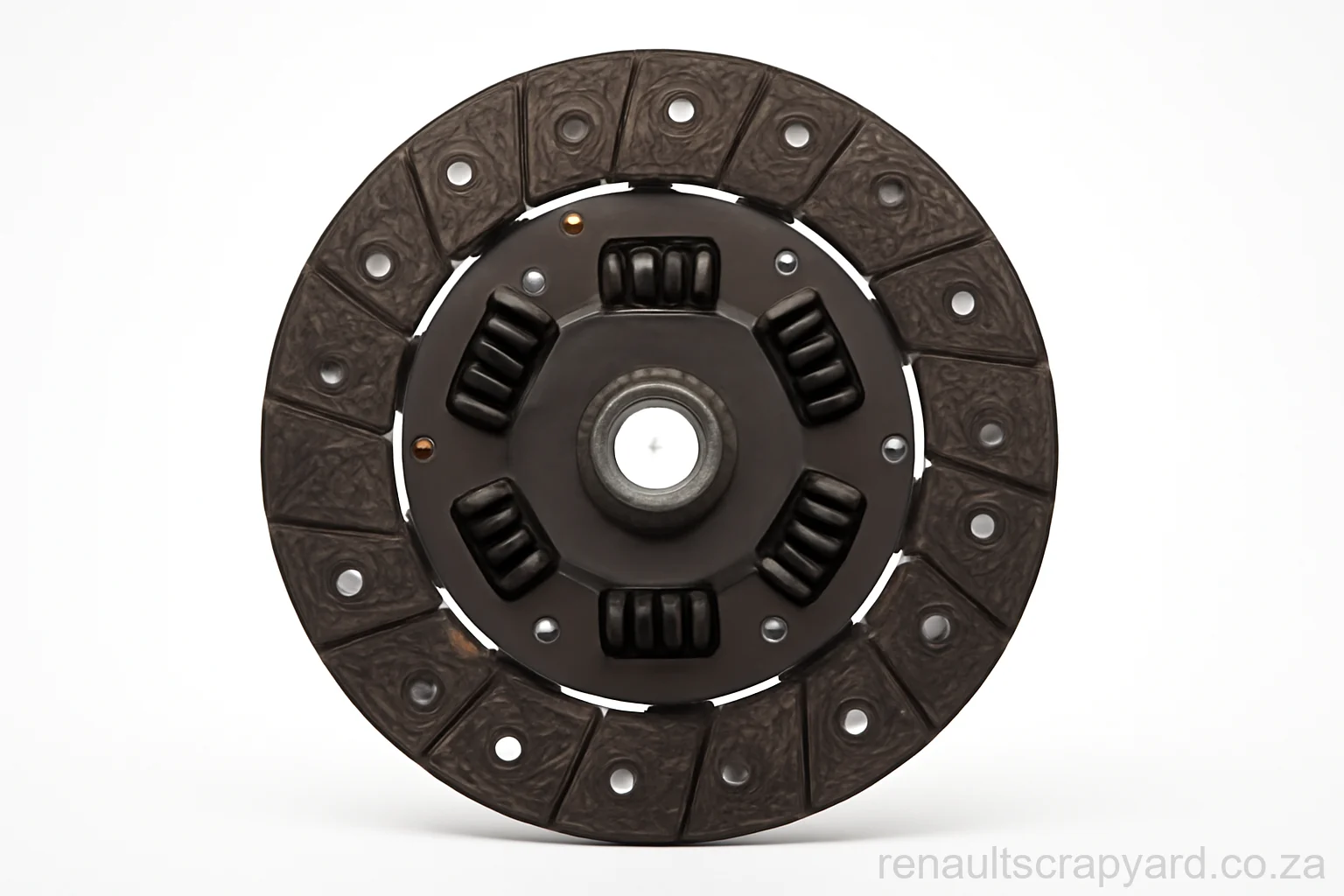
Clutch Parts Available
Complete clutch kits, pressure plates, clutch discs, and hydraulic components for all Renault Captur manual transmission models.
DIY Difficulty / Hours
- Clutch Kit Replacement: Professional / 6-8 hours
- Hydraulic System Service: DIY/Professional / 2-3 hours
- Flywheel Skimming: Professional / Additional 2-3 hours
Cost: R4,500-R7,500 for clutch kit replacement, R1,200-R2,000 for hydraulic system service
Sources & User Reports
- Reddit MechanicAdvice - Captur Clutch Shudder: Detailed owner report of 2018 1.5 DCI experiencing clutch shudder with diagnostic steps and community advice
- Renault Captur Forums - Clutch Issues Thread: Long-term discussion of clutch problems in driver training vehicles with high mileage, showing accelerated failure patterns
- Auto Insider - Clutch Problems Database: Comprehensive database of owner-submitted clutch-related problems with year-by-year breakdown and repair experiences
3. Brake System Faults
Renault Captur owners frequently encounter brake system warning messages and related braking performance issues, with the electronic brake monitoring system proving particularly sensitive in South African conditions.
Symptoms
- “Brake System Fault” warning message appearing intermittently on dashboard
- ABS and traction control warning lights illuminating simultaneously
- Audible beeping accompanying brake system warnings (lasting 5-10 seconds)
- Squeaking or grinding noises when applying brakes
- Reduced braking performance or spongy brake pedal feel
- Brake warning lights that disappear after restarting the vehicle
Causes
The brake system problems stem from multiple sources, with worn brake pads being the most common trigger for warning messages. However, the sophisticated electronic monitoring system can also malfunction due to faulty wheel speed sensors, which are particularly vulnerable to South African road debris and dust. Low brake fluid levels, often caused by normal pad wear progression, trigger the warning system. Additionally, the brake fluid itself deteriorates more rapidly in high-temperature conditions, leading to reduced system performance and potential component damage.
Solution
- Brake pad and disc replacement when wear indicators trigger warnings
- Wheel speed sensor cleaning or replacement for persistent ABS warnings
- Brake fluid flush and replacement using DOT 4 specification fluid
- Brake system diagnostic scan to identify specific sensor or module faults
- See available Renault brake parts for pads, discs, sensors and ABS components
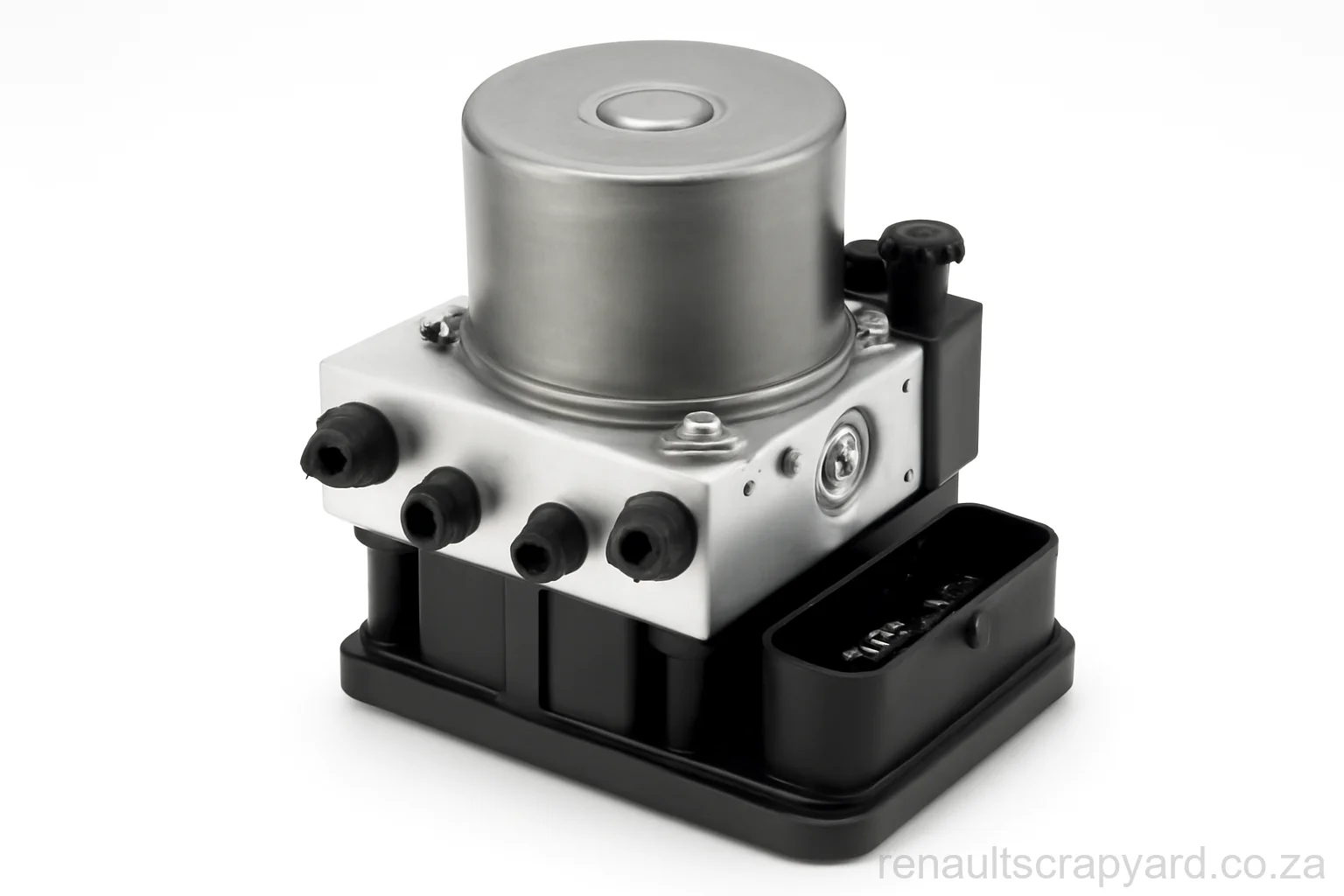
Brake System Parts Available
ABS modules, brake pads, discs, sensors, and hydraulic components for complete Renault Captur brake system repairs.
DIY Difficulty / Hours
- Brake Pad Replacement: DIY/Professional / 2-3 hours
- Brake Fluid Flush: DIY / 1-2 hours
- ABS Module Diagnosis: Professional / 1-2 hours
Cost: R1,500-R3,000 for brake pad replacement, R800-R1,200 for brake fluid service, R3,500-R6,000 for ABS sensor replacement
Sources & User Reports
- Renault Captur Forums - Brake System Fault Warning: Detailed troubleshooting thread documenting intermittent brake warning resolution through pad replacement and sensor cleaning
- JustAnswer UK - Brake System Troubleshooting: Professional mechanic guidance for 2016 Captur brake system fault diagnosis with step-by-step diagnostic approach
- Captur Owners Club - Intermittent Brake Faults: Community discussion of recurring brake system warnings with multiple owner experiences and solutions
4. Electrical Problems
The Renault Captur’s sophisticated electrical system experiences various failures, particularly related to the battery charging system and dashboard electronics, which can leave owners stranded or facing expensive diagnostic bills.
Symptoms
- “Battery Charging Fault” message appearing on dashboard
- Red battery warning light illuminating while driving
- Dashboard lights flickering during engine startup attempts
- Clicking sounds when attempting to start the engine
- Complete electrical system failure requiring jump-starting
- Electronic systems (navigation, air conditioning) operating intermittently
Causes
Electrical problems in the Captur primarily originate from the “smart” alternator system, which modulates charging based on ECU commands rather than providing constant output. This system is sensitive to battery condition and can create charging issues when the battery begins to deteriorate. The battery itself, particularly in South African heat, experiences accelerated internal resistance buildup and cell breakdown. Additionally, the complex wiring harnesses and multiple control modules create numerous potential failure points, with connector corrosion being common in humid coastal areas.
Solution
- Battery load testing and replacement with correct AGM or standard type
- Alternator output testing and repair or replacement if faulty
- Wiring harness inspection for corrosion or damage
- ECU diagnostic scanning to identify specific electrical fault codes
- Browse Renault electrical parts for alternators, batteries, starters and modules
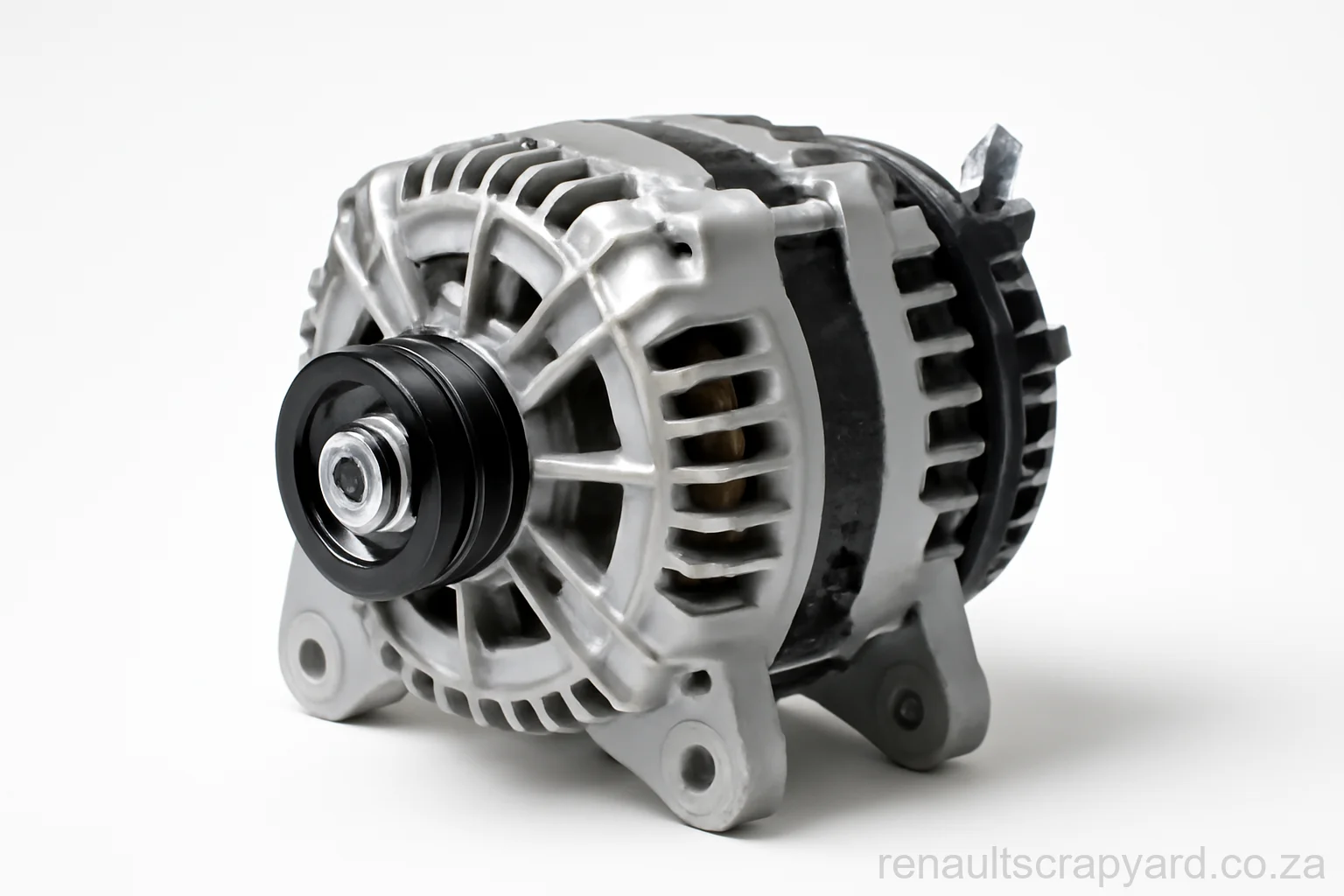
Electrical Parts Available
Alternators, batteries, starters, wiring harnesses, and ECU modules for complete Renault Captur electrical system repairs.
DIY Difficulty / Hours
- Battery Replacement: DIY / 0.5-1 hour
- Alternator Replacement: Professional / 3-4 hours
- Wiring Harness Repair: Professional / 2-6 hours
Cost: R1,800-R3,200 for battery replacement, R4,500-R8,000 for alternator replacement, R2,000-R5,000 for wiring repairs
Sources & User Reports
- Renault Forums UK - Battery Charging Fault: Comprehensive diagnostic thread for 2014 Captur battery charging system with alternator testing procedures and repair outcomes
- Captur Owners Club - Electrical Problems: Multi-page discussion of various electrical faults including battery, alternator, and starter issues with RAC diagnostic results
- WheelsJoint - Bad Alternator Symptoms: Technical guide to identifying alternator failure symptoms with voltage testing procedures and replacement considerations
5. Engine Coolant Problems
The Renault Captur’s cooling system, particularly in the 0.9 TCe and 1.2 TCe turbocharged engines, experiences coolant loss issues that can lead to overheating and serious engine damage if not addressed promptly.
Symptoms
- Gradual coolant loss without visible external leaks
- Engine overheating warnings on dashboard
- White smoke from exhaust indicating coolant burning
- Sweet coolant smell in cabin or around engine bay
- Bubbling sounds from cooling system when engine is hot
- Coolant reservoir requiring frequent top-ups
Causes
Coolant problems in turbocharged Captur engines stem from several design vulnerabilities. The water pump, particularly in high-mileage vehicles, develops internal seal failures that allow coolant to leak into the oil system or externally. The thermostat housing is prone to cracking under thermal stress, especially when subjected to South African temperature extremes. Additionally, the turbocharger cooling circuit places additional strain on the cooling system, with coolant lines and connections more likely to fail under pressure and heat cycling.
Solution
- Water pump replacement with timing belt service (where applicable)
- Thermostat housing inspection and replacement if cracked
- Cooling system pressure testing to identify leak sources
- Radiator flush and refill with correct specification coolant
- Find Renault cooling system parts for water pumps, thermostats, radiators and hoses
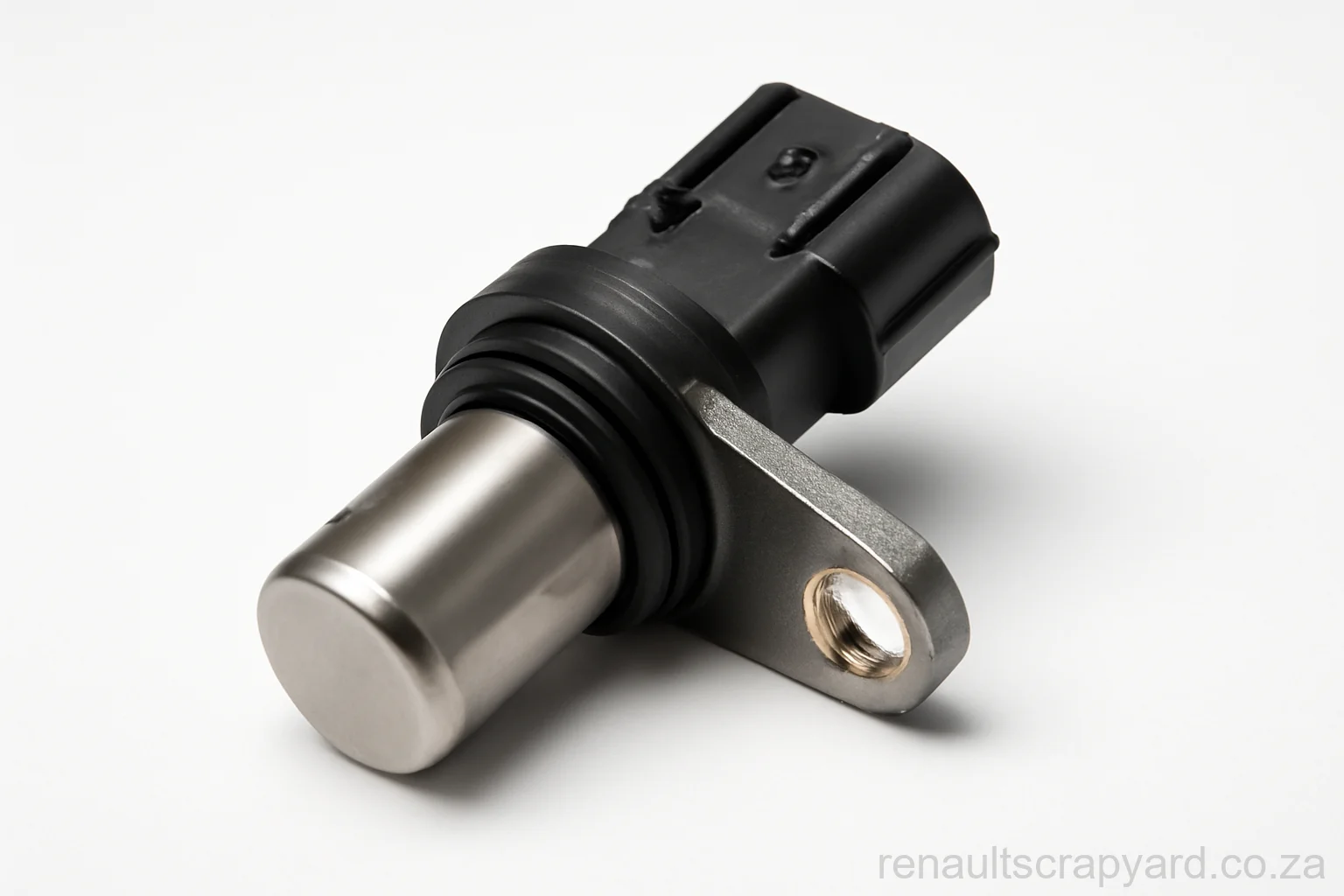
Cooling System Parts Available
Water pumps, thermostats, radiators, coolant sensors, and hoses for complete Renault Captur cooling system repairs.
DIY Difficulty / Hours
- Coolant System Flush: DIY / 1-2 hours
- Water Pump Replacement: Professional / 4-6 hours
- Thermostat Replacement: Professional / 2-3 hours
Cost: R2,500-R4,500 for water pump replacement, R800-R1,500 for thermostat service, R1,200-R2,000 for cooling system flush
Sources & User Reports
- YouTube - Renault 0.9TCe Coolant Leak Repair: Detailed video demonstration of coolant loss repair on Renault 0.9TCe engine with specific focus on water pump seal failure
- Reddit MechanicAdvice - Timing Chain vs Coolant Issue: Technical discussion of 2015 0.9TCe engine problems including coolant system interactions with timing chain issues
- StartMyCar - Renault Captur Problems Database: Multi-language owner reports including coolant system problems across different model years and engine variants
6. Dashboard LCD Issues
The Renault Captur’s instrument cluster LCD display commonly develops pixel problems that affect the odometer and other digital displays, requiring specialized repair or replacement.
Symptoms
- Pixelated or blank sections in the odometer/mileage display
- Missing or corrupted digital information in instrument cluster
- Intermittent display flickering or complete blackouts
- Segments of LCD showing permanent dark or light pixels
- Temperature-related display failures (worse in extreme heat or cold)
- Complete instrument cluster malfunction requiring replacement
Causes
The LCD panel problems result from the inherent limitations of the display technology used in early Captur models. Temperature extremes, particularly common in South African climate conditions, cause the liquid crystal material to degrade and pixels to fail permanently. The electrical connections to the LCD panel can also develop high resistance due to thermal cycling, leading to intermittent display issues. Additionally, the display controller electronics are sensitive to voltage fluctuations that can occur during battery or alternator problems.
Solution
- LCD panel replacement within existing instrument cluster housing
- Complete instrument cluster replacement if controller is also faulty
- Voltage regulation testing to prevent future display damage
- Software updates for display controller where available
- Replacement instrument clusters and LCD panels can be sourced on request
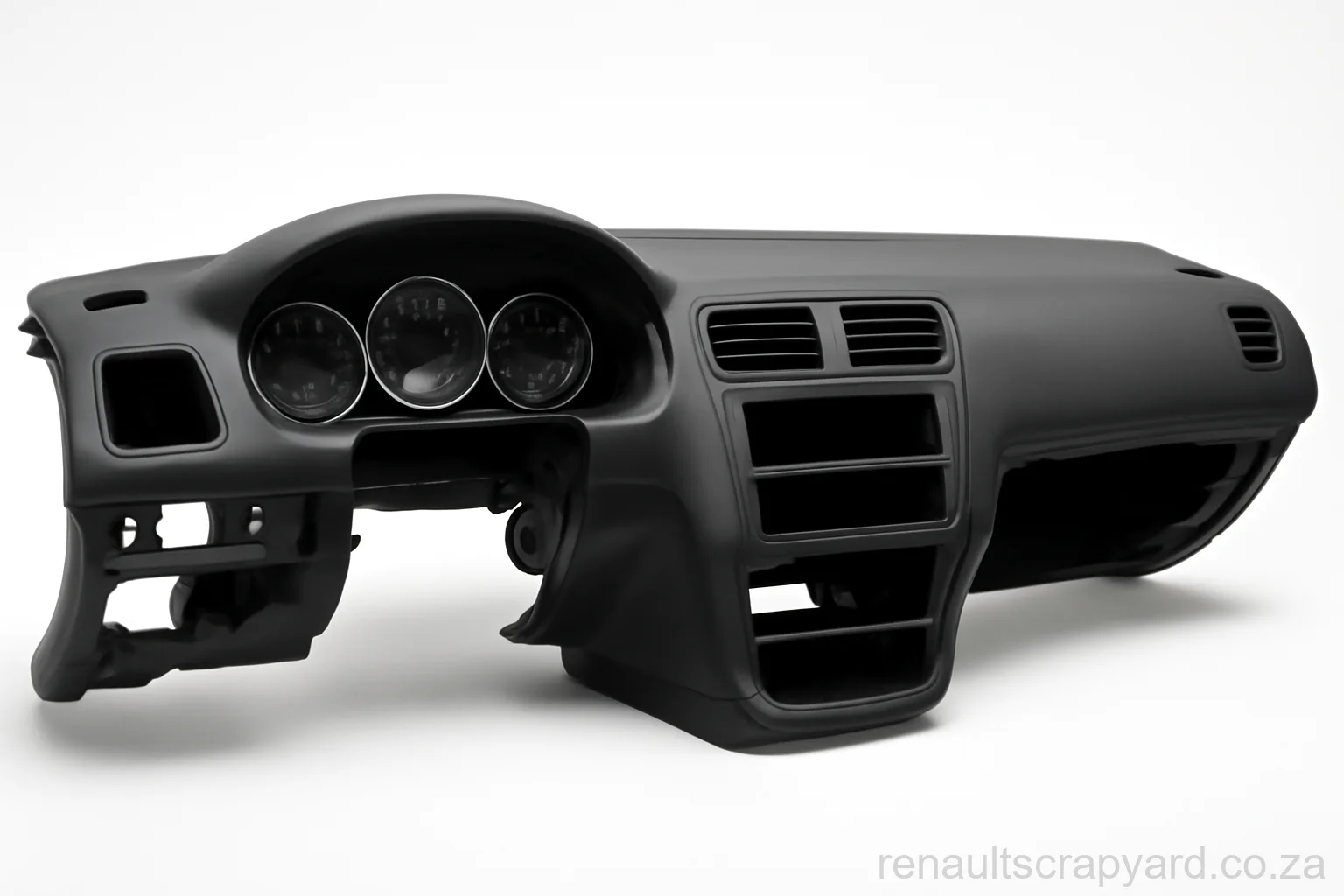
Dashboard Parts Available
Instrument clusters, LCD panels, dashboard components, and electronic modules for Renault Captur interior repairs.
DIY Difficulty / Hours
- LCD Panel Repair: Professional / 2-3 hours
- Instrument Cluster Replacement: Professional / 1-2 hours
- Diagnostic Testing: Professional / 1 hour
Cost: R3,500-R6,000 for LCD panel repair, R8,000-R12,000 for complete instrument cluster replacement
Sources & User Reports
- YouTube - Captur LCD Pixel Repair: Renault Captur (2014-2019)-specific speedometer dashboard removal and LCD screen pixel-repair walkthrough
- Renault Captur Forums - Dashboard Issues: Community forum discussing various dashboard problems including LCD failures with member repair experiences and solutions
- AutoDoc Blog - Common Faults: Technical analysis identifying LCD and navigation system problems as among the most common non-engine electrical faults
7. Air Conditioning Problems
The Renault Captur’s air conditioning system experiences various failures, particularly affecting the compressor and electronic control modules, which are critical for comfort in South African heat.
Symptoms
- Poor cooling performance despite normal refrigerant levels
- AC compressor making unusual grinding or squealing noises
- Intermittent cooling with system cycling on and off frequently
- Complete AC system failure with no compressor engagement
- Electronic climate control displaying error messages
- Unusual odors from air conditioning vents when system operates
Causes
Air conditioning problems in the Captur stem from several interconnected systems. The AC compressor, under constant stress in South African heat, experiences premature clutch bearing failure and internal seal deterioration. The electronic climate control module is sensitive to voltage fluctuations and can develop software glitches that prevent proper system operation. Additionally, the refrigerant system develops leaks at connection points and in the evaporator core, leading to reduced cooling efficiency and eventual system failure.
Solution
- AC compressor replacement with system flush and refrigerant recharge
- Climate control module diagnosis and replacement if faulty
- Refrigerant leak detection and repair using UV dye testing
- Evaporator core replacement for internal leaks causing poor cooling
- AC compressors and climate control modules are available on request
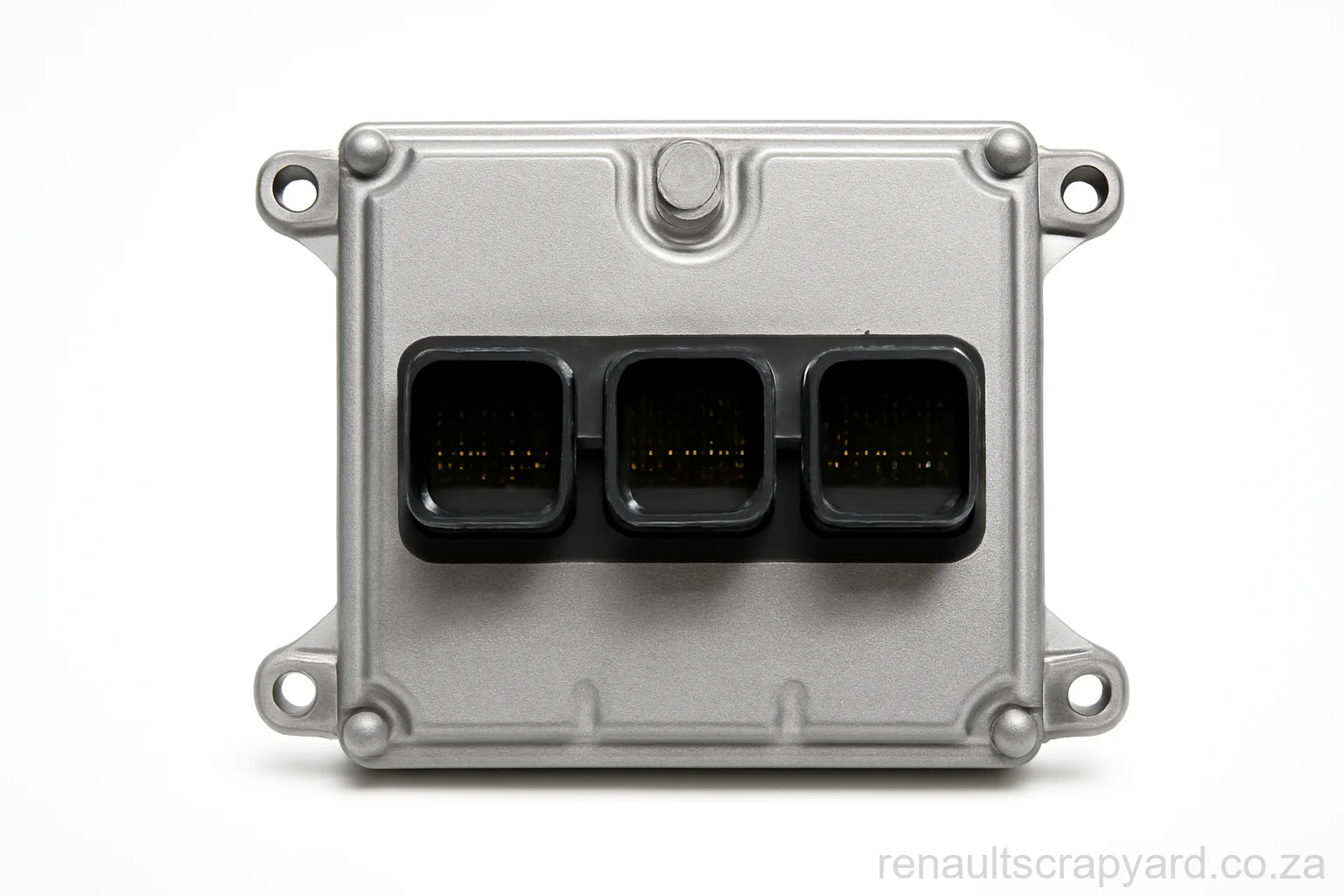
Air Conditioning Parts Available
AC compressors, climate control modules, evaporator cores, and refrigerant system components for complete Renault Captur air conditioning repairs.
DIY Difficulty / Hours
- AC System Recharge: Professional / 1-2 hours
- Compressor Replacement: Professional / 4-6 hours
- Climate Control Module: Professional / 2-3 hours
Cost: R6,000-R12,000 for compressor replacement, R2,500-R4,500 for climate control module, R800-R1,500 for system recharge
Sources & User Reports
- AutoDoc Blog - Common Faults Analysis: Technical documentation identifying air conditioning control system problems as among the most frequently reported electrical faults
- A1 Performance Auto Repair - Electrical Problems: Professional repair facility documentation of common AC-related electrical problems with diagnostic approaches and repair recommendations
- Captur Owners Club - Climate Control Issues: Community discussion thread including air conditioning system problems alongside other electrical faults with member experiences and solutions
8. 1.2 TCe / 0.9 TCe Oil Consumption & Timing Chain
If you’re looking at a petrol Captur, this is the single most important section to read. The 1.2 TCe (engine code H5Ft) is notorious for burning oil and for timing-chain wear — a defect serious enough that it became the subject of a French class-action covering roughly 400,000 European cars across the Renault-Nissan range. The smaller 0.9 TCe (H4Bt) three-cylinder is far more reliable but still has a thin timing chain worth watching.
Symptoms
- Oil level dropping quickly between services — over a litre per 1,000 km in bad cases
- A metallic rattle on cold start from the front (timing) end of the engine
- Blue smoke on start-up or under load, and an oil smell
- Engine management light or low-oil-pressure warning
- In late stages: misfire, burnt exhaust valves, or catastrophic failure if the chain jumps
Causes
The 1.2 TCe left the factory with piston-ring and bore tolerances cut too wide, so oil slips past the rings and is burned in the combustion chamber — this is a design defect, not normal wear. The burnt oil leaves carbon that clogs the tiny oil jet feeding the timing chain; starved of lubrication, the “lifetime” chain stretches and the tensioner wears early. Oil loss, carbon build-up, chain wear and burnt valves then feed off each other. The 0.9 TCe doesn’t share the oil-burning fault but has a thin chain that can rattle and stretch at higher mileage.
Solution
- Check the oil level religiously (every ~500 km) and top up — management, not a cure
- ECU software update from Renault as a palliative
- Replace the full timing chain kit (chain, tensioner, guides and the oil jet) at the first sign of rattle — before it jumps
- Decarbonise / induction clean if the engine is oil-fouled
- Severe cases need an engine rebuild (rings, pistons, valves) or a replacement engine
- Browse timing chain and engine parts for kits and components
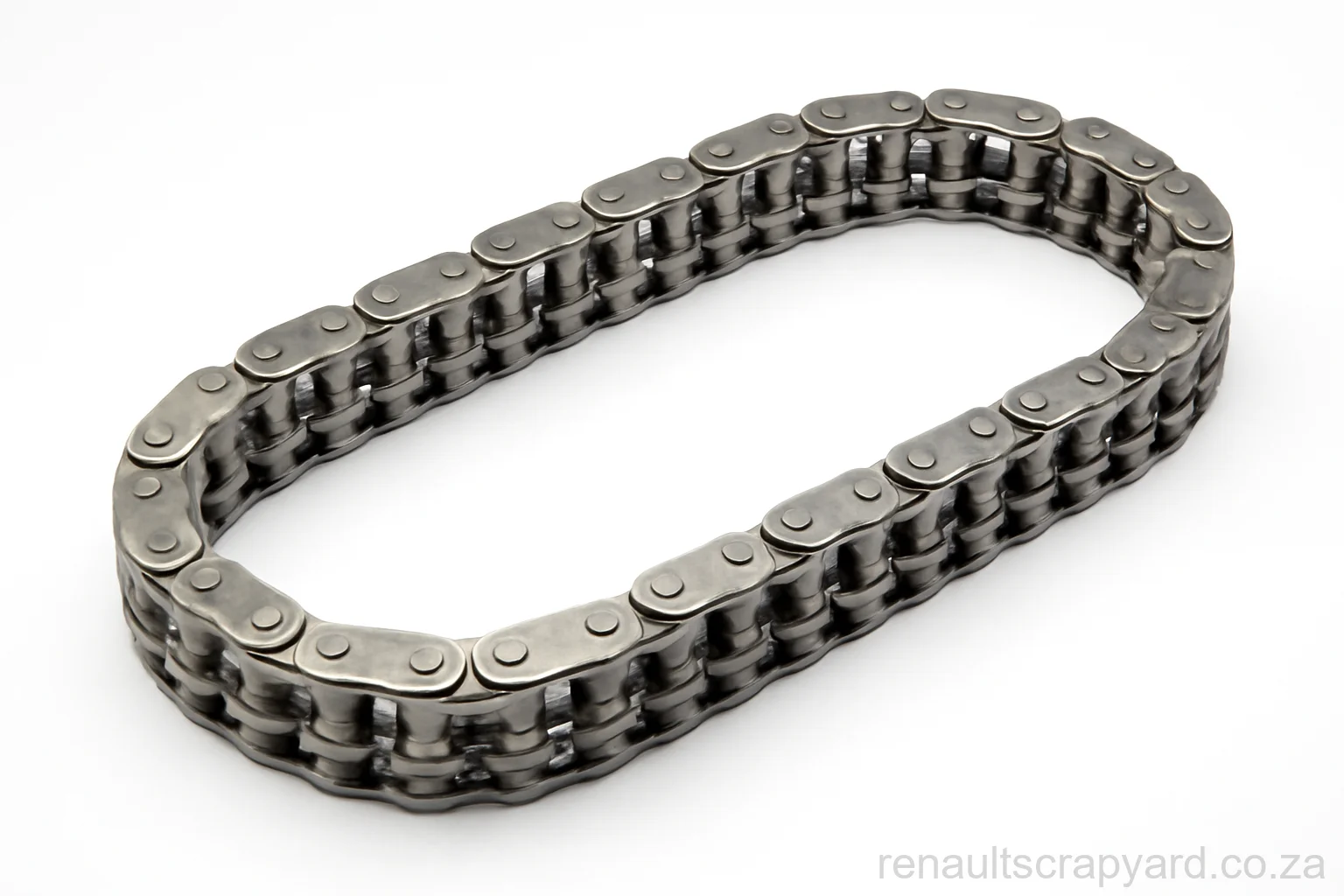
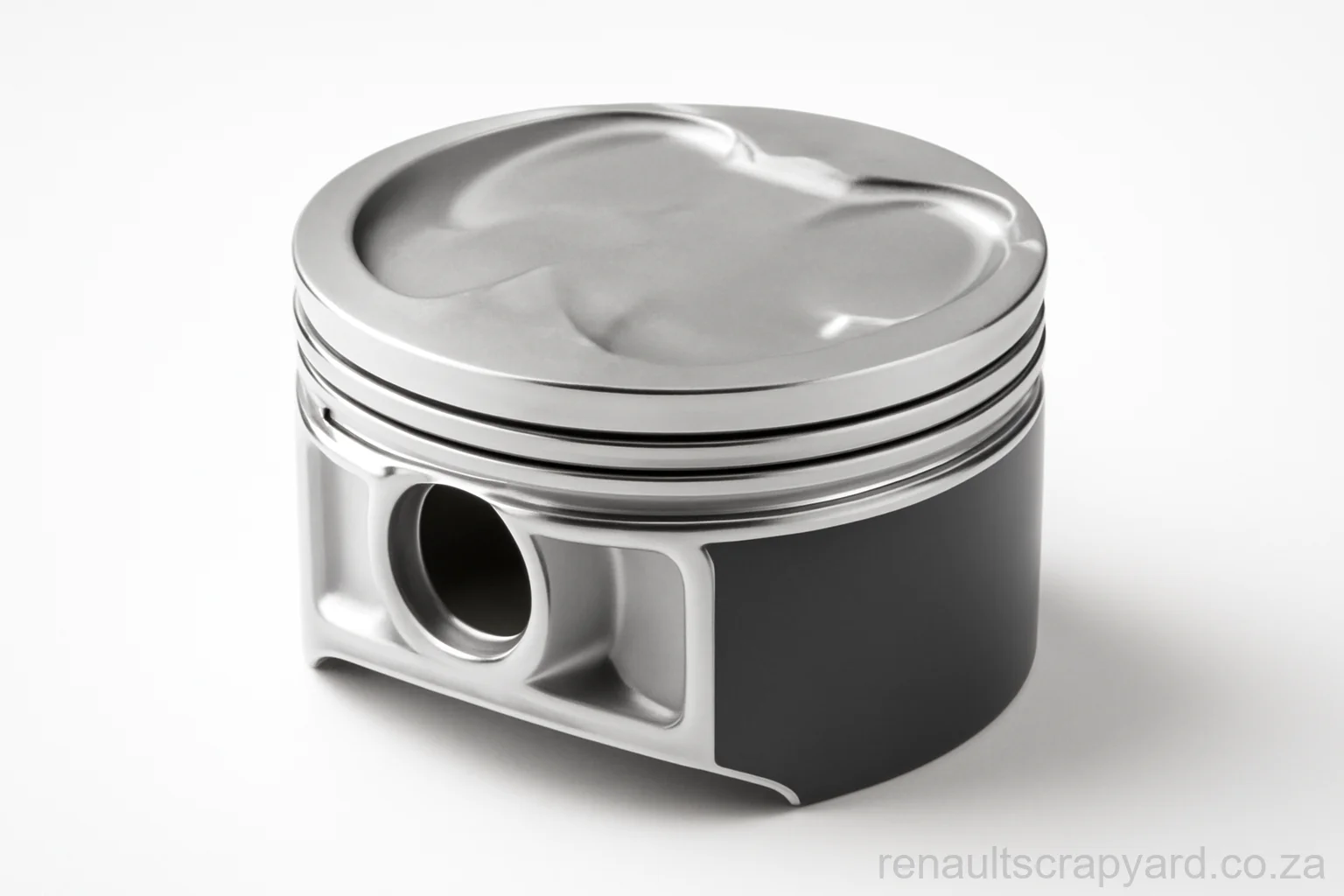
Timing Chain & Engine Parts Available
Timing chain kits, tensioners, guides, pistons, rings and gaskets for Renault Captur 1.2 TCe and 0.9 TCe engine repairs.
DIY Difficulty / Hours
- Oil-level check and top-up: DIY / 15 minutes
- Decarbonise / induction clean: DIY-Professional / 1-2 hours
- Timing chain kit (1.2 TCe): Professional / 6-9 hours — high risk, specialist only
- Timing chain kit (0.9 TCe): Professional / 5-7 hours
Cost: R1,500-R3,500 decarbonise · R9,000-R16,000 timing chain (0.9 TCe) · R12,000-R22,000 timing chain (1.2 TCe) · R35,000-R65,000 engine rebuild · R45,000-R90,000 recon engine fitted (SA estimates)
Sources & User Reports
- GT Automotive - The Problem With the Renault H5F: UK engine remanufacturer confirming oil consumption as the primary defect, valve/camshaft starvation leading to full engine failure, and the 2022 legal case.
- Auto Ricambi Tritella - 1.2 TCe H5Ft Oil & Chain: Parts specialist documenting >1 L/1,000 km consumption, chain elongation at 80,000-100,000 km, and oil-jet clogging.
- MotorAnimal - Renault 0.9 TCe Engine Problems & Durability: Independent engine guide on the 0.9 TCe timing chain, noting the thin chain and a proactive change around 150,000 km.
9. 1.5 dCi Diesel: DPF, Turbo & Injector Problems
The 1.5 dCi diesel is mechanically tougher than the 1.2 TCe petrol, but it brings the typical modern-diesel headaches — a diesel particulate filter (DPF) that hates short trips, plus turbo and injector wear at higher mileage. It’s a strong engine for owners who do regular open-road kilometres and a poor match for short urban hops.
Symptoms
- DPF or engine-management warning light, often with a “particulate filter” message
- Limp mode (sudden loss of power) on the highway or after lots of town driving
- Black or grey smoke, a rough idle, or a noticeable drop in fuel economy
- Whistling or whining from the turbo, or excess smoke under acceleration
- Hard starting, knocking, or a misfire pointing to injector trouble
Causes
The DPF traps soot and needs a hot, sustained run to “regenerate” and burn it off — lots of short, cold trips (very common in city driving) leave it permanently clogged. Turbos wear from oil contamination, missed oil changes, or hard use before warm-up. The injectors suffer from poor diesel quality and high-pressure-system wear, leading to uneven fuelling and misfires.
Solution
- A forced DPF regeneration or off-car DPF clean clears mild blockages
- Replace the DPF if it’s beyond cleaning, and change driving habits to include a weekly open-road run
- Turbo replacement or recon for failed units, always with an oil and filter service
- Injector testing, cleaning, or replacement — and use a reputable fuel supplier
- Browse fuel injectors and diesel system parts for replacements
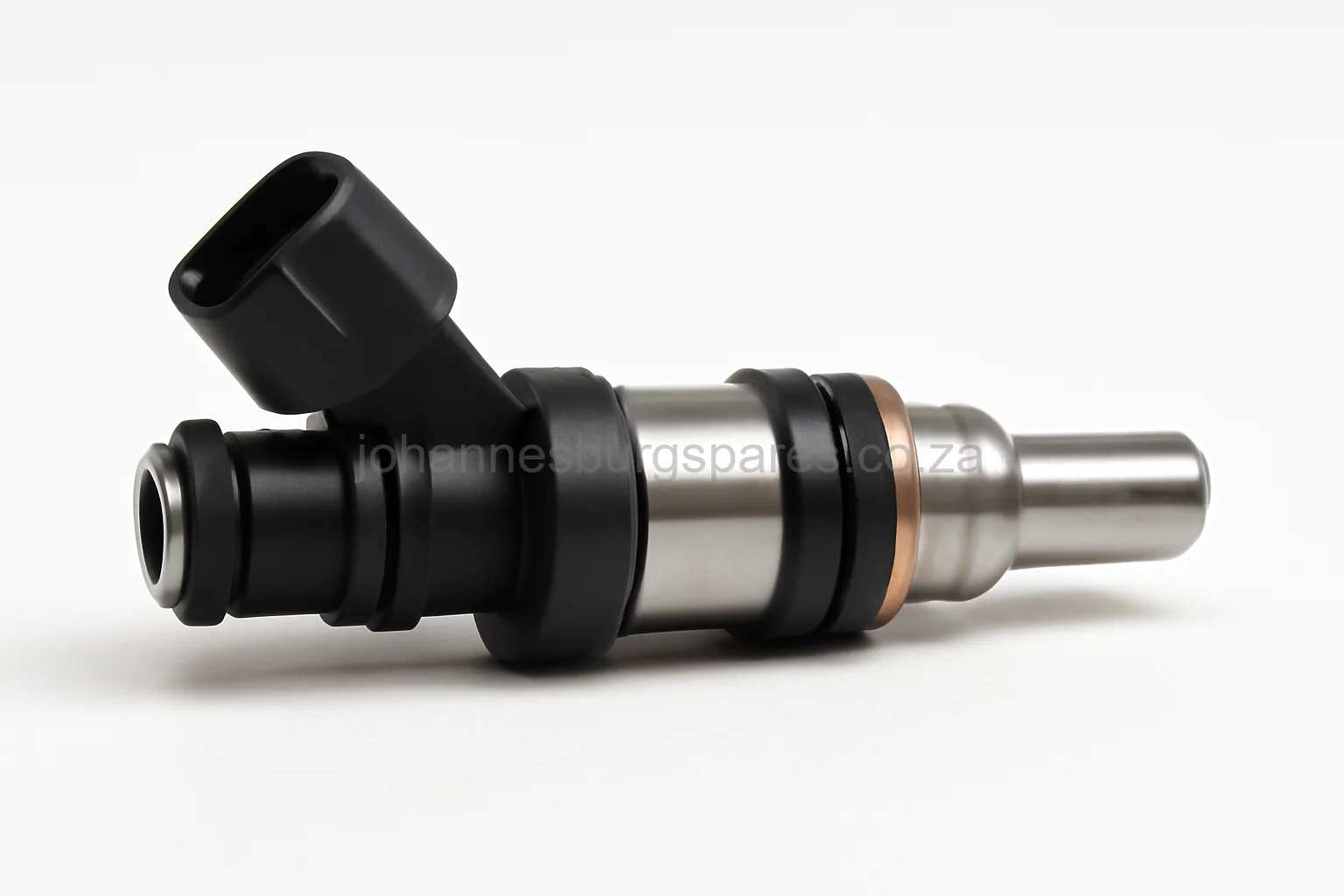
Diesel Engine Parts Available
DPFs, turbochargers, injectors, EGR valves and glow plugs for Renault Captur 1.5 dCi diesel repairs and servicing.
DIY Difficulty / Hours
- Forced DPF regeneration (highway run or tool): DIY / 1 hour
- DPF clean or replacement: Professional / 2-4 hours
- Turbocharger replacement: Professional / 5-8 hours
- Injector replacement: Professional / 3-5 hours
Cost: R3,000-R5,000 DPF clean · R8,000-R18,000 DPF replacement · R12,000-R25,000 turbo · R3,500-R7,000 per injector (SA estimates)
Sources & User Reports
- StartMyCar - Renault Captur Problems Database: Owner-reported problems across engines and model years, including diesel DPF, turbo and injector faults.
- ClickMechanic - Common Problems With the Renault Captur: UK mechanic marketplace covering 1.5 dCi DPF and diesel-system faults alongside the petrol-engine issues.
Year-by-Year Reliability: Which Renault Captur to Buy (2013–2019)
If you’re shopping for a used Mk1 Captur, the model year matters. The owner-and-survey consensus is clear: avoid the 2013–2014 launch cars, treat 2015–2016 as acceptable, and target the 2017 facelift or later. Across every year, the EDC automatic is the recurring weak point — a manual is the safest choice, and the 0.9 TCe the safest engine.
| Year | Verdict | Why |
|---|---|---|
| 2013 | Worst — avoid | Launch year: brake-hose safety recall, early electrical faults, EDC failures, software glitches |
| 2014 | Avoid | Brake-hose and wheel-hub/wheelarch-liner recalls, EDC issues, early build-quality niggles |
| 2015 | Acceptable | Wheelarch-liner-vs-brake-hose recall on pre-April builds; EDC jerk, overheating warnings, battery drain still present |
| 2016 | Improving | Lower failure rate than 2013-15, but EDC and electrical faults still reported |
| 2017 | Best | Facelift year — most refined Mk1, fewest transmission and electrical complaints |
| 2018-2019 | Good | A limited 2018 headlight recall, but gearbox remained the #1 complaint in owner surveys |
Did the 2017 facelift fix the EDC? It reduced complaints as the software matured, but it didn’t eliminate the dual-clutch’s underlying actuator and clutch-pack wear. The surest way to sidestep the gearbox lottery is to buy a manual.
Sources & User Reports
- Carbuyer - Used Renault Captur 2013-2019 (Mk1) Reliability: Recalls by year and owner-satisfaction survey placing the gearbox as the #1 complaint.
- What Car? - Renault Captur Reliability: Independent reliability survey data for the 2013-2019 generation.
Preventive Maintenance Schedule
| Service Item | Interval | Importance |
|---|---|---|
| Oil Level Check (1.2 TCe) | Every 500 km / weekly | Critical |
| Oil & Filter Change (TCe petrol) | 10,000-15,000 km | Critical |
| Timing Chain Inspection (1.2 TCe) | From 80,000 km | Critical |
| DPF Regeneration Run (1.5 dCi) | Weekly highway run | Critical |
| EDC Transmission Service | 60,000 km | Critical |
| Brake Fluid Replacement | 24 months | Critical |
| Coolant System Flush | 60,000 km | High |
| Battery Load Test | 24 months | High |
| AC System Service | 24 months | High |
| Clutch Hydraulic Service | 40,000 km | Medium |
| Electrical System Diagnostic | 40,000 km | Medium |
FAQ
Q: Is the Renault Captur reliable for South African conditions? A: The Captur offers reasonable reliability when properly maintained, but owners should budget for transmission, electrical, and cooling system issues, particularly in high-temperature regions like Gauteng and Limpopo.
Q: What should I budget annually for Captur maintenance? A: Budget R8,000-R15,000 annually for routine maintenance, with an additional R10,000-R20,000 contingency for the common problems outlined in this guide, particularly EDC transmission issues.
Q: Should I buy a used Renault Captur given these problems? A: Consider a used Captur only if you can verify the EDC transmission service history and budget for potential repairs. Manual transmission models offer better long-term reliability than EDC automatics.
Q: What’s the most serious problem I should watch for? A: On petrol models, the 1.2 TCe oil-consumption and timing-chain defect can destroy the engine if ignored — check the oil level and listen for a cold-start rattle. On automatics, EDC transmission failure is the most expensive risk, though many faults are repairable (actuator or mechatronic reman) for far less than a full R85,000 replacement. Always test both thoroughly during a pre-purchase inspection.
Q: Which Renault Captur engine and year should I buy? A: Avoid the 2013-2014 launch cars; the 2017 facelift onward is the most reliable. The 0.9 TCe petrol is the safest engine, the 1.5 dCi diesel is solid for regular open-road driving, and the 1.2 TCe is the one to inspect most carefully for oil consumption. A manual gearbox sidesteps the EDC’s known weaknesses.
Q: Does the Renault Captur 1.2 TCe really burn oil? A: Yes — the 1.2 TCe (H5Ft) is widely documented for excessive oil consumption caused by wide piston-ring tolerances, and the burnt oil can clog the oil jet that lubricates the timing chain. Pre-facelift engines (roughly 2013-2016) are worst affected. Check the oil level weekly and budget for a timing chain kit if you hear a cold-start rattle.
Q: Are these problems preventable or design issues? A: Most problems combine design limitations with inadequate maintenance. Regular servicing, particularly of the EDC transmission and cooling system, can prevent many failures.
Q: How does the Captur compare to competitors like the Renault Duster or Kwid? A: The Captur offers more refinement than the Duster but shares some electrical system problems. The Kwid is simpler mechanically but lacks the Captur’s build quality and features.
Expert Review
Video: Renault Captur - Check For These Issues Before Buying - Comprehensive pre-purchase inspection guide covering common problems to check before buying a used Renault Captur 2016-2022
Get Your Renault Captur Parts Today
Don’t let these common problems keep your Captur off the road. Our extensive inventory of genuine and quality aftermarket parts can help you address these issues cost-effectively.
Need Parts for Your Renault Captur?
Get a free quote on any Renault Captur parts. Fast delivery across South Africa with professional installation support available.
The Renault Captur remains a compelling choice in South Africa’s compact crossover segment, offering distinctive French styling and practical urban mobility. However, success with Captur ownership depends largely on understanding these common problems and maintaining the vehicle proactively. The EDC transmission requires particular attention, while electrical and cooling system problems can be managed with regular diagnostic checks and component replacement as needed.
By staying informed about these issues and working with qualified technicians who understand Renault systems, Captur owners can enjoy reliable service from this stylish crossover while minimizing unexpected repair costs and downtime.
Important Disclaimer
This content is for informational purposes only and is based on research from automotive industry sources. Renault Spares South Africa is not a certified automotive repair facility. Always consult with qualified automotive professionals before performing any repairs or maintenance. Improper repairs can result in personal injury, property damage, or vehicle malfunction. We assume no responsibility for actions taken based on this information.