
Renault Battery Size Guide: Sizes, Prices & SA Specs

Key Takeaways
| Question | Quick Answer |
|---|---|
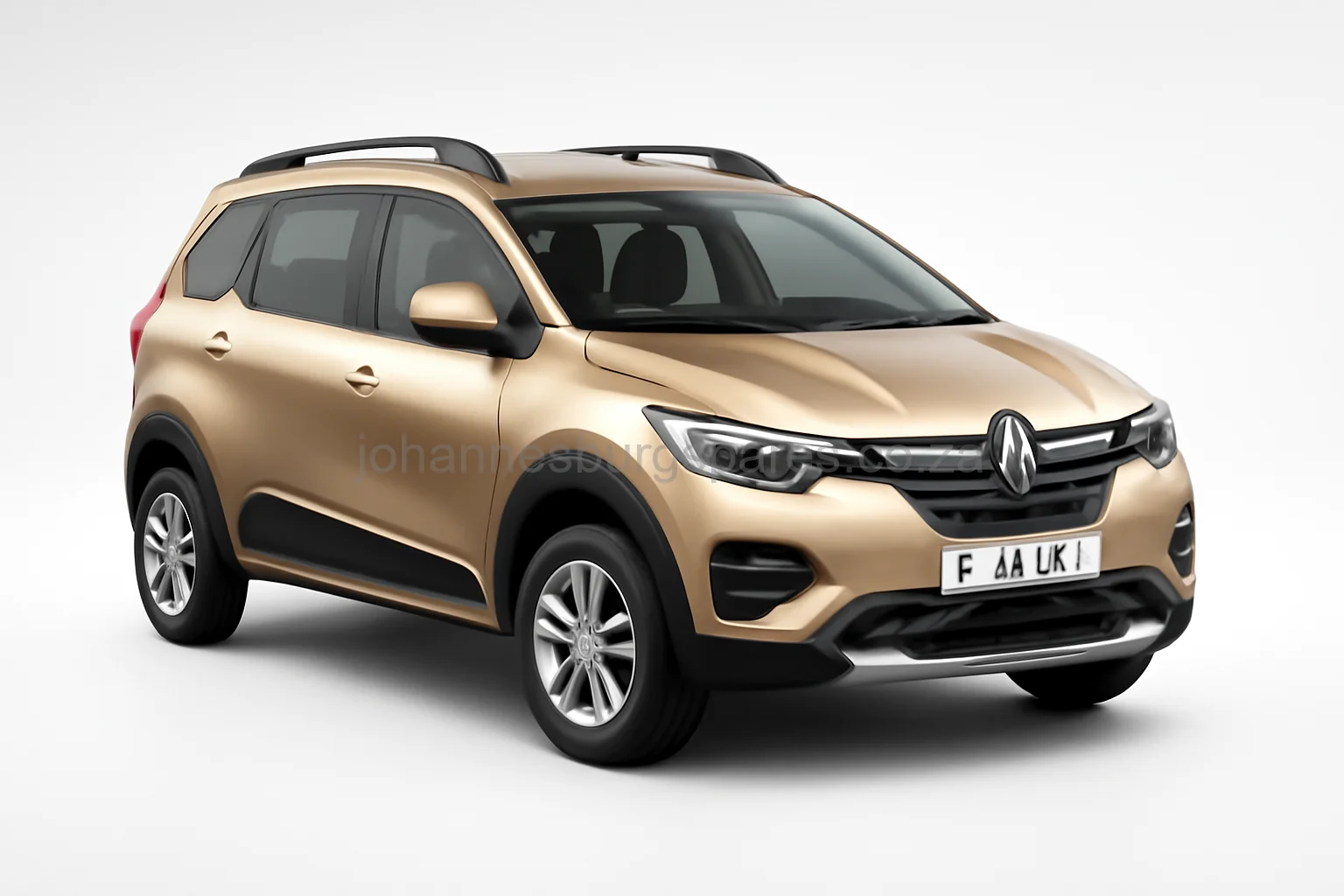
| What size battery does a Renault Triber take? | 12V 42Ah EFB, SA group 619 |
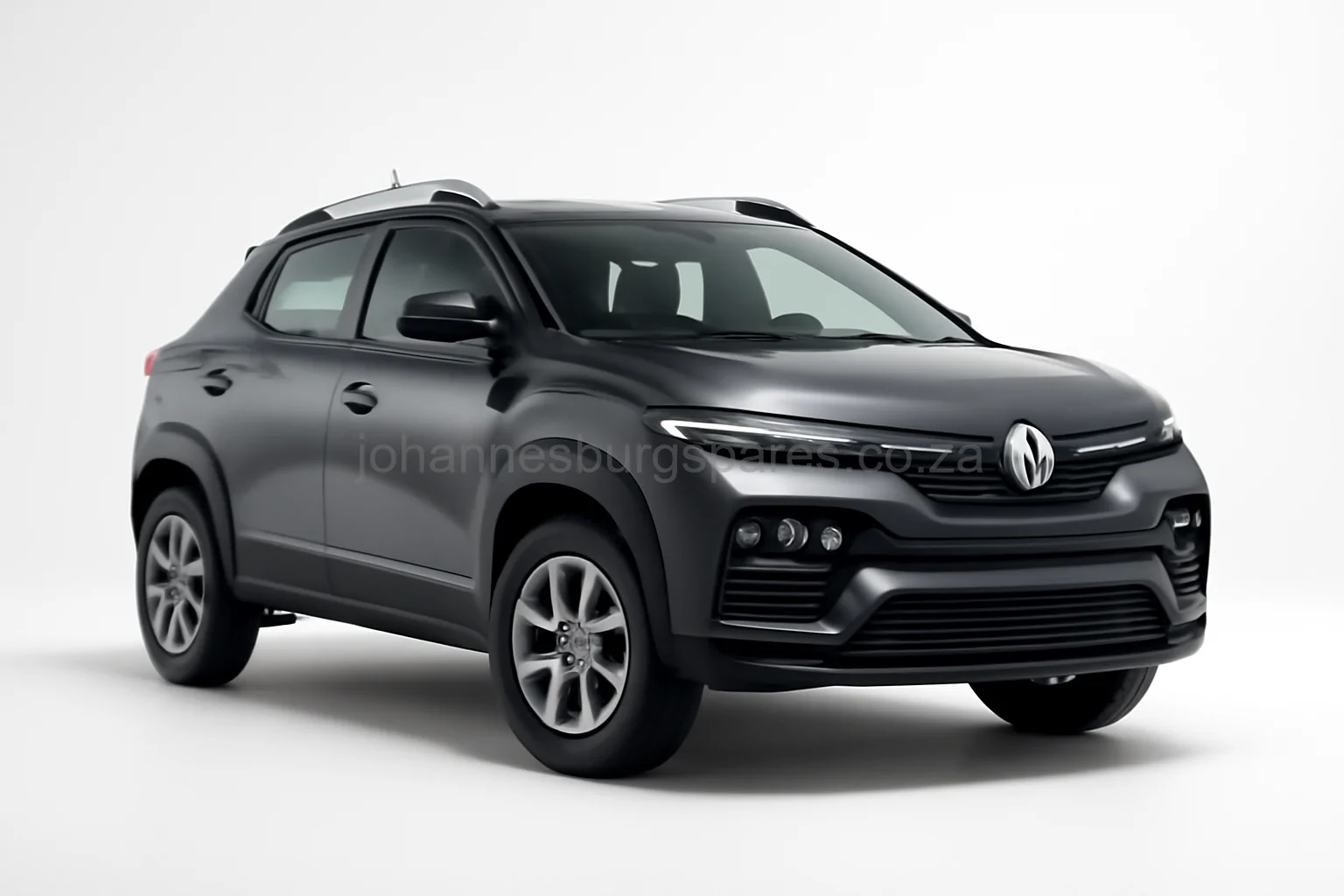
| What size battery does a Renault Kiger take? | 12V 42Ah EFB, SA group 636 |
| What size battery does a Renault Sandero take? | 12V 53Ah EFB, SA group 646 |
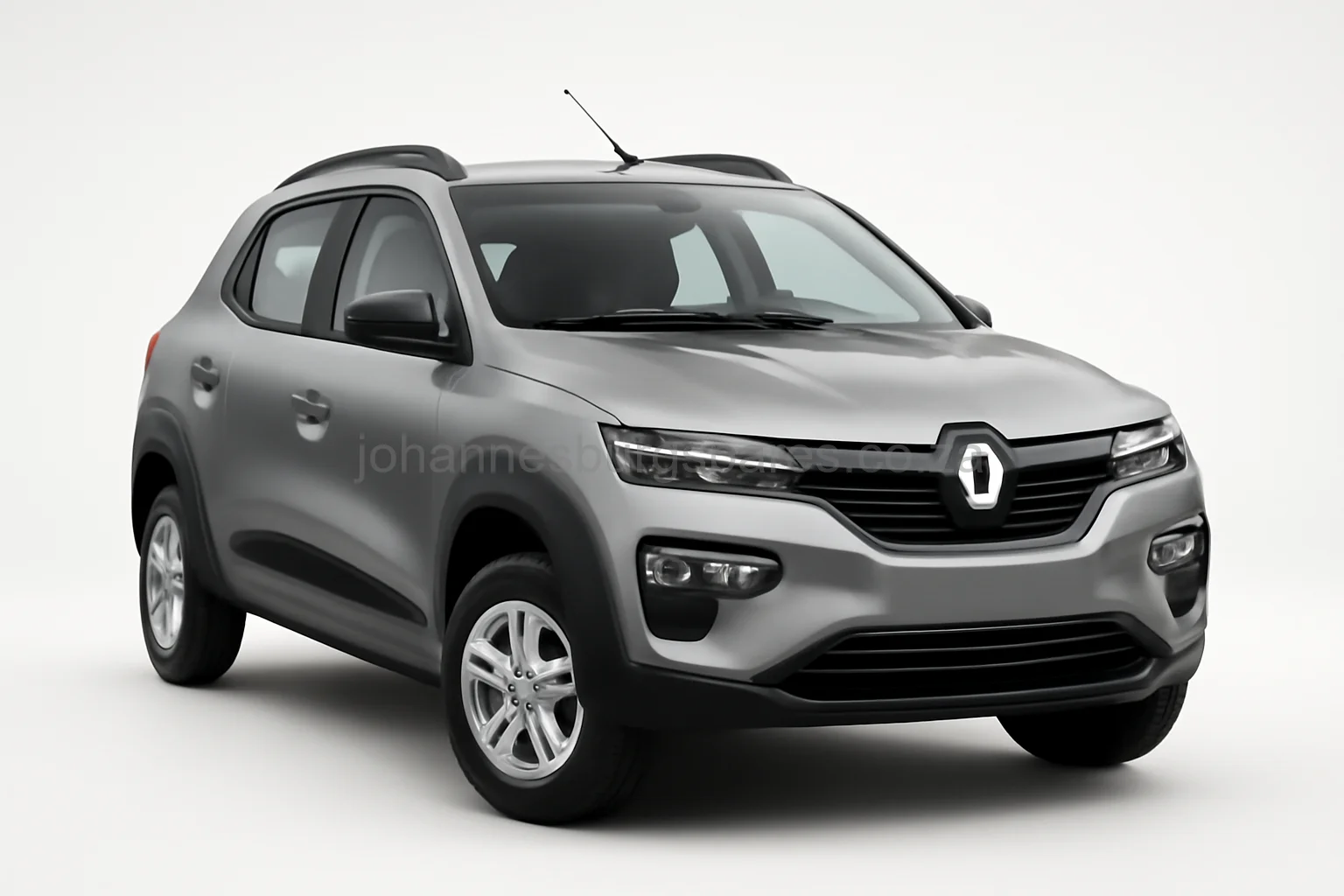
| What size battery does a Renault Kwid take? | 12V 38Ah EFB, SA group 616 |
| Do I need a special battery? | Yes if your Renault has stop/start: it needs EFB or AGM, never a cheap flooded battery |
| How long does a battery last in SA? | Around 2.5–4 years; heat shortens battery life |
Replacing the battery in your Renault sounds simple until you’re standing at the counter and the question comes back: what size? Fit the wrong one and at best it won’t last, at worst your stop/start system and electronics start playing up. This guide gives you the correct battery specification for the most popular Renault models in South Africa — capacity, cold-cranking amps, and the local group code you can actually shop on at Willard, Exide or First National.
A quick word on those group codes: South Africa uses its own battery numbering (616, 619, 628, 636, 646, 652 and so on). A “646” from Willard, Exide or First National all share the same case size and roughly the same rating, so once you know your number you can buy with confidence.
Renault Battery Sizes at a Glance
| Model | Engine / Year (SA) | Type | Ah | CCA (approx) | SA group code | ~Price (R) |
|---|---|---|---|---|---|---|
| Triber | 1.0 SCe petrol (2019+) | EFB | 42 | 314 | 619 | 1,700–1,800 |
| Kiger | 1.0 petrol (2022+) | EFB | 42 | 315 | 636 | 1,790–1,950 |
| Sandero / Stepway | 0.9 TCe (2013–2021) | EFB | 53 | 410 | 646 | 1,650–1,800 |
| Kwid | 1.0 petrol (2019+) | EFB | 38 | 270 | 616 | 1,670–1,800 |
| Clio 4 (no stop/start) | 0.9 TCe (2013–2020) | EFB | 42 | 314 | 619 | 1,700–1,800 |
| Clio 4 (stop/start) | 0.9/1.2 with S/S | AGM | ~60 | ~640 | LN3 AGM | 2,800–3,800* |
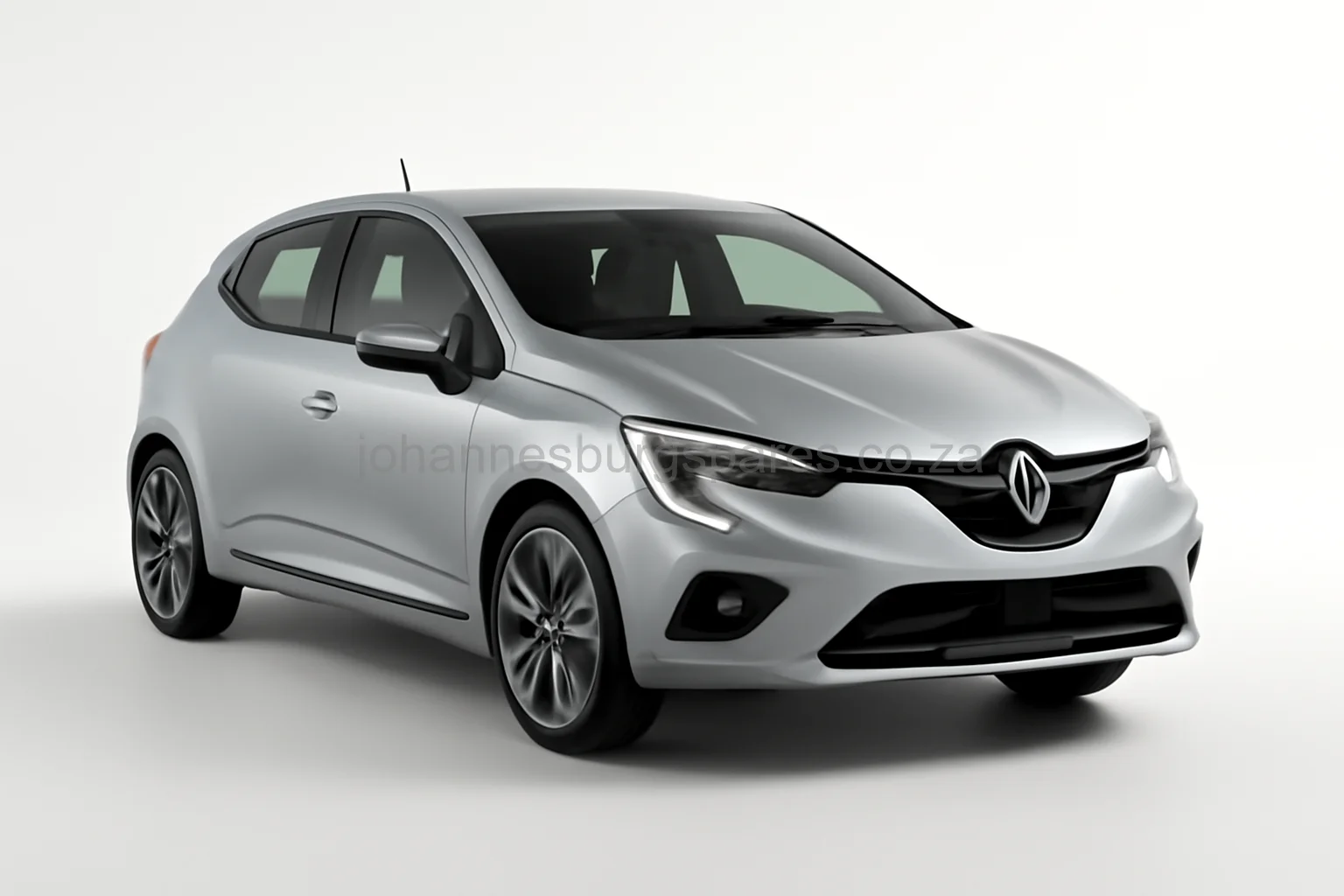
| Clio 5 | TCe (2020+) | AGM (EFB on base) | 60–70 | 640–760 | LN2 / LN3 AGM | 2,800–4,000* |
| Captur | TCe petrol, trim-dependent | EFB or AGM | 60–70 | 540–760 | 646 / LN-AGM | 1,800–3,800* |
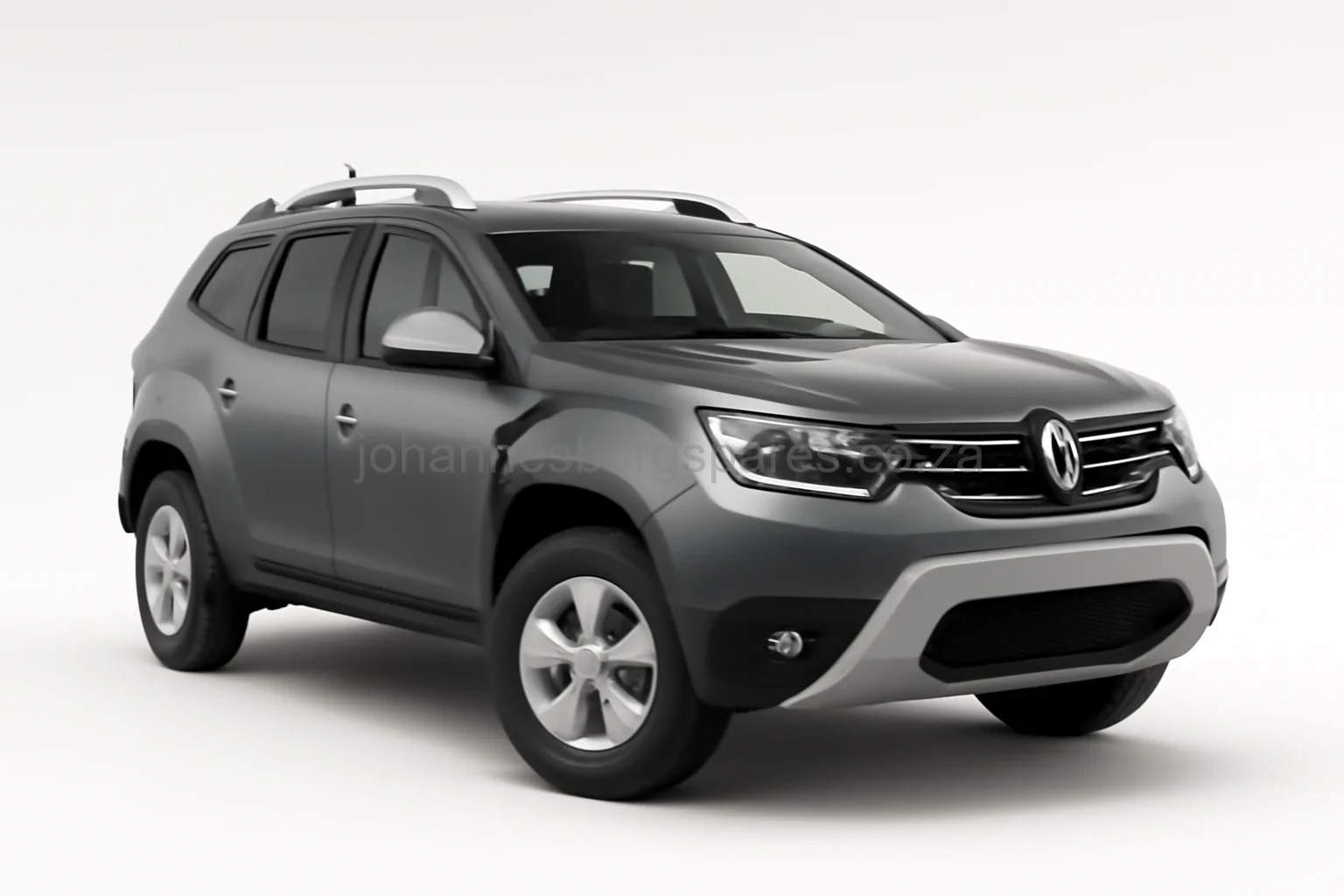
| Duster | 1.5 dCi 4x4 (2018) | EFB | 70 | 510 | 652 | 1,630–2,000 |
| Megane 3 | 1.4 TCe (2010+) | EFB | 53 | 424 | 628 | 1,660–1,900 |
| Koleos | 2.5 petrol CVT (stop/start) | AGM | 60–70 | 640–760 | LN3 AGM | 2,800–3,800* |
Renault Batteries Available
EFB and AGM batteries in the correct group size for your Renault, with fitment. Not sure which one? Send us your model and we'll confirm.
How to Read a Battery Spec — and Why Stop/Start Needs EFB or AGM
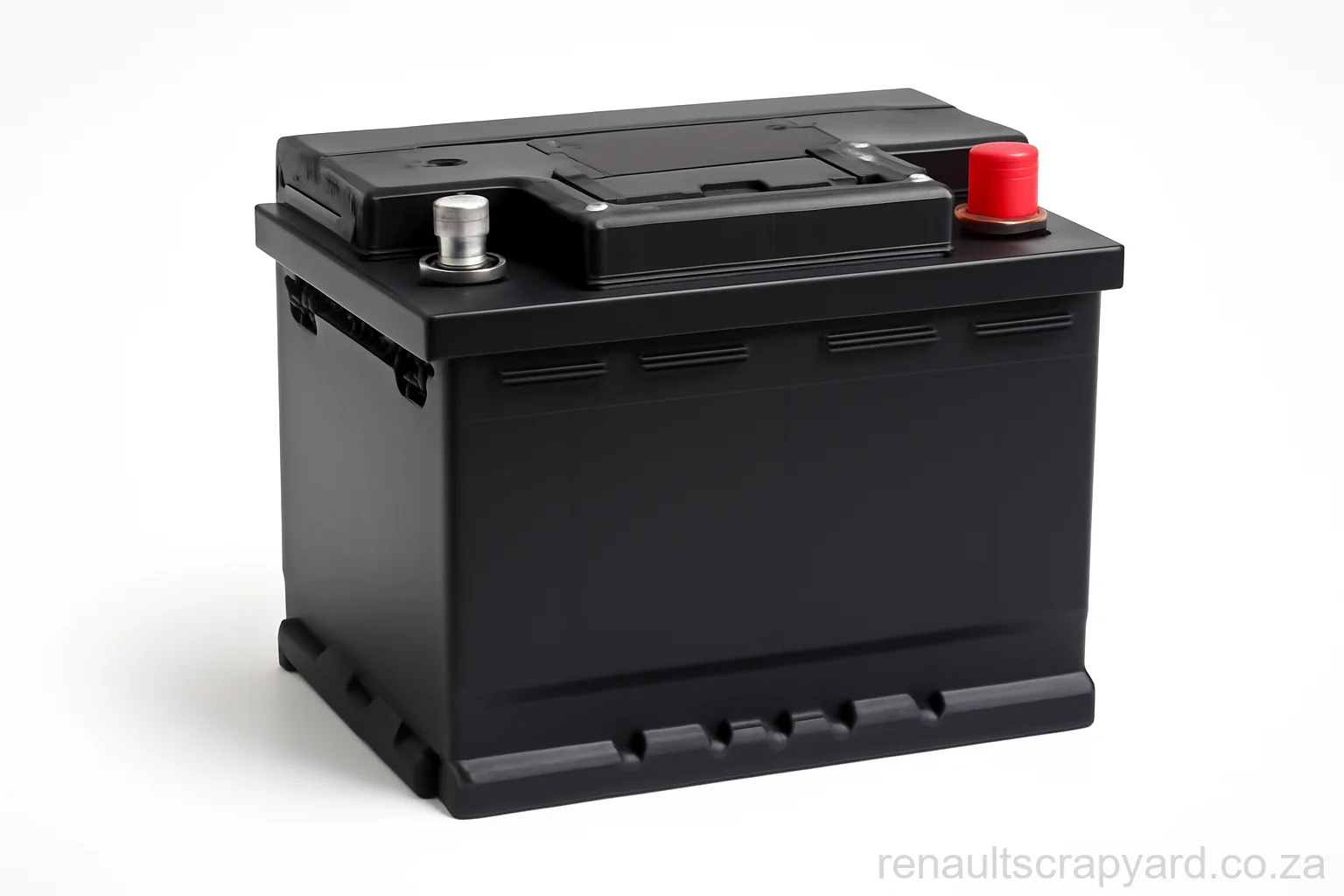
A battery is described by four things: its group code (the SA shortcut: 616, 619, 646…), its Ah (capacity, how much energy it holds), its CCA (cold cranking amps, the starting punch), and its physical case size and terminal layout. Match the group code and you’ve matched all four.
The one mistake that costs people money is battery technology. Stop/start (“micro-hybrid”) Renaults cycle the battery far harder — the engine cuts at every traffic light and restarts repeatedly, and the battery runs your accessories while the engine is off. A cheap flooded battery degrades quickly under that load.
- Flooded (standard) — only for older Renaults with no stop/start
- EFB (Enhanced Flooded) — the OEM fit for most modern Renaults, including the Triber, Kiger, Sandero and Kwid, even where they don’t have stop/start
- AGM (Absorbent Glass Mat) — required for full stop/start trims (some Clio, Captur, Megane and Koleos)
Fitting a flooded battery to a stop/start Renault is a classic false economy: it fails early and the car’s battery-management system may refuse to charge it properly. Always replace like-for-like — AGM for AGM, EFB for EFB — or step up, never down. Browse the full range of Renault battery and electrical parts if you’d rather we match it for you.
Signs Your Renault Battery Is on the Way Out
Modern Renaults like the Clio and Captur use a smart (variable) alternator that only charges hard under braking and deliberately keeps the battery at a partial state of charge to save fuel. The catch: a tired battery shows up as electrical gremlins long before it actually fails to start. Watch for:
- Slow or laboured cranking, especially first thing in the morning
- A battery or stop/start warning light on the dash
- Stop/start quietly stops working — the car disables it when the battery is weak, often the very first symptom
- Flickering lights and random electrical glitches — radio resets, window or mirror faults, error messages
How Long Does a Renault Battery Last in South Africa?
Car batteries are generally rated at 3–5 years, but heat is the number-one killer, because high temperatures degrade a battery far faster than cold does. In hot regions like the Lowveld, Northern Cape, the KZN coast and Highveld summers, it’s common for batteries to fade toward the 2.5–4 year mark, which is why many local warranties run around 25 months. The practical takeaway: don’t assume your battery is healthy just because it started this morning, and budget to replace it sooner than a European lifespan estimate would suggest.
FAQ
Q: What size battery does a Renault Triber take? A: A 12V 42Ah EFB battery, South African group code 619. Expect to pay around R1,700–R1,800 fitted. The Triber uses EFB from the factory even though it doesn’t have stop/start, so don’t downgrade to a cheaper flooded battery.
Q: What size battery does a Renault Kiger take? A: A 12V 42Ah EFB battery, SA group code 636, roughly R1,790–R1,950. It shares the small 1.0 platform with the Triber and Kwid but uses a slightly different case, hence the different group number.
Q: What size battery does a Renault Sandero take? A: A 12V 53Ah EFB battery, SA group code 646 (Exide EX646), around R1,650–R1,800. The same fits the Sandero Stepway 0.9 TCe.
Q: What size battery does a Renault Kwid take? A: A 12V 38Ah EFB battery, SA group code 616. Around R1,670–R1,800. Ignore any listing claiming a 62Ah battery — that’s a data error; a 1.0 Kwid takes the compact 616.
Q: Can I fit a normal battery to a stop/start Renault? A: No. Stop/start models need EFB or AGM. A standard flooded battery will fail early and may not charge correctly, because the car’s battery-management system expects the higher-cycle technology.
Q: How do I know if my Renault has stop/start? A: Look for an “A” with a circular arrow button near the gear lever, or check whether the engine cuts out when you stop in traffic. If in doubt, give a battery retailer your VIN or registration and they’ll confirm the exact battery.
Need the Right Battery for Your Renault?
Send us your model, year and registration and we’ll confirm the correct group size and battery type — EFB or AGM — and quote you on a quality replacement with fitment across South Africa.
Get the Correct Renault Battery
Free quote on the right battery for your Renault — matched to your exact model and stop/start setup. Fast delivery nationwide.
Getting the battery right is the difference between a five-minute swap and months of intermittent electrical faults. Match the group code, respect the EFB-or-AGM rule on stop/start models, and you’ll get the full life out of your Renault’s battery — even in South African heat.
Sources
- Exide South Africa — battery finder: Vehicle-to-battery fitment tool covering passenger cars by manufacturer, year and model, used to cross-check SA group-code fitment.
- eBattery SA — vehicle battery lookup: Searchable make/model/year-to-battery-size reference table used to verify group codes for specific Renault models.
- First Battery Centre — Standard Lead-Acid vs AGM for Start/Stop Vehicles: South African battery-fitment network explaining why standard flooded batteries fail early in stop/start vehicles and why EFB or AGM is required.
Important Disclaimer
This content is for informational purposes only and is based on research from automotive industry sources. Renault Spares South Africa is not a certified automotive repair facility. Always consult with qualified automotive professionals before performing any repairs or maintenance. Improper repairs can result in personal injury, property damage, or vehicle malfunction. We assume no responsibility for actions taken based on this information.